

Why an Ultrasonic Humidifier Struggles in a Damp Winter Climate
Your ultrasonic humidifier worked a treat through the drier months, but winter has changed how well it performs. The mist still fills the room, yet the air doesn’t feel any different, and condensation keeps building on the windows. Your unit is working properly, but the air around it is causing the problem.
Cold, damp winter air works against an ultrasonic humidifier. So it behaves differently in the cold, damp conditions of winter. Once you understand why, you’ll know what to adjust instead of turning the dial up.
Here at Made Minimal, we often hear this frustration from Australian households trying to stay comfortable through winter. Winter air changes how your home holds moisture, but a few simple adjustments can help your humidifier keep up.
How an Ultrasonic Humidifier Works in Your Home

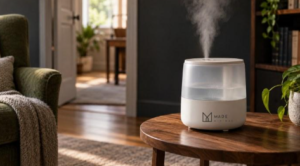
An ultrasonic humidifier uses a small disc that vibrates at an ultrasonic frequency to turn water into a fine, cool mist (it’s oddly satisfying to watch). Unlike a fan or heater, it doesn’t push air on its own, so the room has to carry that mist around.
Here, three parts decide how well your unit performs:
- The Vibrating Disc: The disc vibrates rapidly inside the tank. It breaks water into fine droplets within seconds.
- No Heating Element: Ultrasonic units don’t heat water. This makes them cooler and cheaper to run than warm-mist models, though performance will drop off faster in a cold room.
- Room Airflow: The mist settles close to the unit in rooms with poor circulation. Open doors or a fan will help it spread further.
By comparison, warm-mist humidifiers use heat to push moisture out, so cold rooms don’t slow them down the same way. That’s the downside of going ultrasonic in winter, and it’s why airflow plays such a large part in how your unit performs.
What Winter Months Do to Indoor Humidity
Winter changes the conditions inside your home before your humidifier even gets involved. With windows closed, moisture from cooking, showers, and breathing has fewer ways to escape. Some rooms can then become more humid than you might expect.
Heating complicates things further. Warm indoor air meets cold surfaces such as window glass, where moisture can collect as condensation. Your heater and humidifier may then affect different parts of the home in different ways. Poor airflow can also leave moisture settling unevenly, so one corner of a room stays damp while another turns bone dry.
We’ve noticed this pattern across plenty of homes during winter. The mist seems to vanish faster in rooms where the heater runs more often and leaves the humidifier struggling to keep moisture evenly distributed.
Can Indoor Air Already Be Too Damp to Humidify?
Yes, it can. Winter closes up your home, and that closed-up air holds onto moisture from cooking, showers, and everyday breathing. Running a humidifier on top of that adds extra moisture nobody needs (your walls will thank you for skipping this one).
The Australian Government’s YourHome guide recommends managing indoor moisture to reduce condensation and mould. A few quick checks can tell you when humidity may be getting too high or too low.
Condensation on your windows each morning usually signals excess moisture, so open a window for a few minutes before it spreads. The bathroom can give you another clue. Steam lingering after a shower points to excess bathroom moisture, and opening a window for 10 minutes should help clear it.
A damp, stale smell in any room means moisture has nowhere to go. Skip the humidifier until ventilation improves, since running one in an already damp space adds strain to walls and window frames over time.
How to Keep Humidifier Energy Use Down in Winter
Running costs vary depending on how your humidifier produces moisture. The table below shows how the main types compare during regular winter use.
| Humidifier Type | Typical Energy Use | Energy Efficiency |
| Ultrasonic | Low, no heating element | Higher efficiency |
| Warm-mist | Higher heats water continuously. | Lower efficiency |
Warm-mist units heat water the whole time they run, which is where most of their extra running cost comes from. Ultrasonic units skip that step entirely.
Most people overlook one thing. Running an ultrasonic unit all day and night still adds to your energy bill over a full winter. You don’t need to switch it off completely to manage that cost. A simple timer lets you run it during the hours you’re home or asleep and skip the rest.
That small habit can keep your winter running costs close to what you’d pay in any other season.
Indoor Air Pollution: A Trade-Off Worth Knowing About
Ultrasonic humidifiers can release minerals from tap water into the air as fine white dust. Many households first notice it on nearby shelves or furniture after using the humidifier regularly. The particles can then settle across surfaces throughout the room.
Watch for these signs of mineral buildup:
- Fine White Dust: The dust settles on shelves, screens, and dark furniture within days. It wipes off easily but returns fast if you keep using tap water.
- Inhaled Particles: The fine particles can enter the air you breathe. People with asthma or respiratory allergies may be more sensitive to airborne particles, which can aggravate symptoms such as coughing, wheezing or chest tightness.
Switching your water source solves most of this problem without giving up the humidifier. Regular tank cleaning keeps any remaining buildup under control.
Setting Realistic Expectations for Indoor Air Quality This Winter
With these factors in mind, a realistic setup looks a bit different this winter. Pair your humidifier with some airflow, keep an eye on condensation, and switch to distilled water if white dust starts showing up.
A humidifier helps, but it won’t fix poor ventilation or a damp home on its own. Combine it with the habits covered here, and you’ll notice less condensation and more even humidity through the colder months.
For a dependable option, Made Minimal’s Portable Ultrasonic Humidifier and Diffuser is a low-maintenance choice for everyday use.