
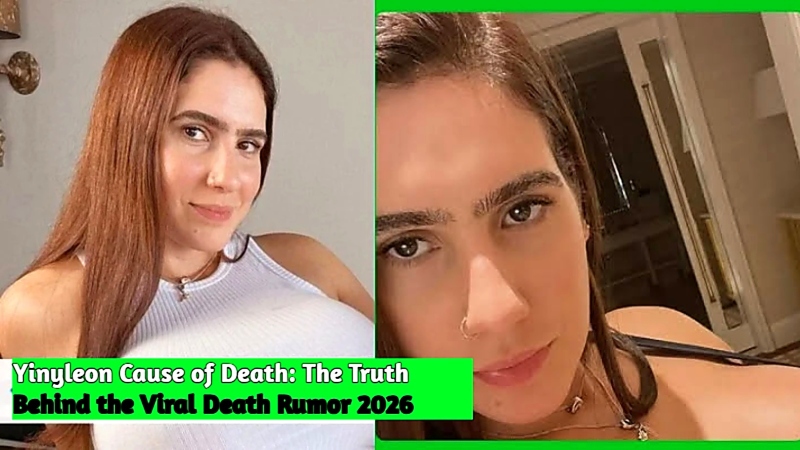
When people search for “Yinyleon cause of death,” they are often trying to find out whether the online death reports are actually true.
At this time, there is no verified public information confirming that Yinyleon has died. The claims circulating online appear to come from an unconfirmed internet rumor rather than an official statement, reliable news report, or other trustworthy source.
Death rumors can spread extremely fast on social media. A single post, video, or misleading headline can be shared thousands of times before anyone checks the facts. As more people search for the story, the rumor can gain even more attention and make the claim appear more credible than it really is.
For that reason, it is important to separate verified information from online speculation. Until a trustworthy source provides clear confirmation, claims about Yinyleon’s death or an alleged cause of death should be treated with caution.
This is what seems to have happened with the Yinyleon death rumor.
Some online discussions have also linked the rumor to a cancer claim. However, there is no reliable evidence available to confirm that claim as fact.
So, what is the real story behind the viral search?
Is Yinyleon Dead?
At this time, there is no credible confirmation that Yinyleon has passed away.
The internet often creates confusion when rumors begin circulating. People may see multiple posts discussing the same topic and assume that the information must be true. However, repetition does not automatically mean verification.
A real death announcement involving a public figure would normally be supported by clear evidence, such as:
- A statement from family members
- An official representative announcement
- A verified social media update
- Coverage from reliable news organizations
Without these forms of confirmation, a viral claim should be treated carefully.
The Yinyleon death rumor appears to be another example of how online speculation can spread faster than verified information.

How the Yinyleon Death Rumor Started
The rumor appears to have gained attention through social media posts and tribute-style content.
These types of posts often use emotional elements, including sad music, dramatic captions, and memorial-style wording. While this type of content may look convincing, it does not always provide actual evidence.
Many online rumors follow the same pattern:
First, someone creates a post based on an unverified claim.
Then, other users share or recreate the content.
After that, more people begin searching for information.
Eventually, the growing attention makes the rumor appear more believable.
This creates a cycle where curiosity increases visibility, and visibility increases curiosity.
The important thing to remember is that a trending topic is not automatically a confirmed fact.
The Cancer Claim: What We Know
One of the most serious claims connected to the Yinyleon cause of death search is the suggestion that she died from cancer.
However, health-related claims require strong evidence. A person’s medical information should not be accepted based only on social media posts, anonymous sources, or websites repeating the same statement.
At present, the cancer claim remains unverified.
False online stories often include specific details because details can make a rumor sound more realistic. A simple claim may become more convincing when it includes an alleged illness, accident, or explanation.
But a detailed claim is not necessarily a true claim.
Reliable information requires reliable sources.
Until trustworthy evidence confirms otherwise, the cancer story should be viewed as an internet rumor rather than an established fact.
Why Celebrity Death Hoaxes Spread So Quickly
Celebrity death rumors are common online because they attract strong emotional reactions.
When people hear that someone famous or popular has died, they naturally want to know more. They click articles, watch videos, leave comments, and share posts.
This engagement can cause social media platforms to show the content to even more users.
The problem is that algorithms often measure attention, not accuracy.
A shocking false story can sometimes receive more attention than a normal truthful update. As more people interact with the content, the rumor gains more visibility.
The process usually looks like this:
- A false or unverified claim appears online
- Users react emotionally
- The content spreads through recommendations
- Search interest increases
- More websites and accounts discuss it
Soon, people may believe the rumor simply because they have seen it many times.
This is why fact-checking is so important.
How Search Trends Can Make Rumors Look Real
Many people assume that if something appears in search suggestions, it must have some truth behind it.
That is not always correct.
Search engines reflect what people are looking for. If thousands of users search for a phrase like “Yinyleon cause of death,” the phrase may become more visible.
However, search popularity does not confirm accuracy.
A search trend only shows that people are interested in a topic. It does not prove that the information behind the search is true.
This is one reason false information can become difficult to control. People search because they saw the rumor, and the increased searches make the rumor appear even more important.
How to Identify a Celebrity Death Hoax
Learning how to recognize false information can help prevent accidental sharing.
Here are some common warning signs:
1. No Clear Source
Be careful with posts that say:
- “Sources claim”
- “Reports say”
- “Fans are shocked”
- “The internet is mourning”
These phrases sound serious but do not identify where the information came from.
2. Only Low-Quality Websites Are Reporting It
Major news events are usually covered by established and reliable sources.
If a serious claim appears only on random blogs, social media pages, or viral videos, it should be checked carefully.
3. The Content Uses Emotional Headlines
Many false stories use dramatic headlines to encourage clicks.
Examples include:
- “The shocking truth about Yinyleon”
- “Fans cannot believe what happened”
- “You need to know this”
Strong emotions can make people react before checking facts.
4. No Official Confirmation Exists
The strongest evidence usually comes from direct sources.
If there is no official statement, no verified announcement, and no trustworthy reporting, the claim should remain uncertain.
How to Verify Celebrity News Before Sharing
Before sharing a post about someone’s death, take a few simple steps.
First, check official social media accounts connected to the person.
Second, look for information from reliable news organizations.
Third, check whether multiple independent sources are reporting the same information.
Finally, consider the quality of the source.
A website that provides no evidence and only repeats rumors should not be considered reliable.
Taking a few minutes to verify information can prevent false stories from spreading further.
The Truth Behind the Yinyleon Cause of Death Search
The popularity of the phrase “Yinyleon cause of death” shows how quickly online rumors can gain attention.
A single post can create thousands of searches. Those searches can create more discussion. More discussion can make the original claim appear more believable.
But attention is not proof.
The available information does not provide reliable confirmation that Yinyleon has died. The cancer claim and other details connected to the rumor should not be accepted without trustworthy evidence.
The best approach is simple: check sources, question dramatic claims, and avoid sharing information before it has been verified.
Final Verdict: Is the Yinyleon Death Rumor True?
The viral claims surrounding Yinyleon’s cause of death appear to be based on an unverified online rumor.
There is no reliable confirmation supporting the claim that Yinyleon has died, and the reported cancer connection has not been established with credible evidence.
As with any viral story, readers should separate online popularity from factual confirmation.
A rumor can spread quickly.
A search can become trending.
A video can receive millions of views.
But only verified information should be treated as the truth.
Common Questions About the Yinyleon Death Rumor
Is Yinyleon dead?
There is no verified public confirmation that Yinyleon has died. The circulating claims appear to be an unconfirmed online rumor.
What is Yinyleon’s cause of death?
No confirmed cause of death has been established. The cancer claim circulating online remains unverified.
Why are people searching for Yinyleon’s death news?
The search interest appears to be connected to viral social media posts and online discussions surrounding an unconfirmed rumor.
How do celebrity death hoaxes spread?
They spread through emotional content, social media sharing, search trends, and repeated claims from unverified sources.
How can I check if celebrity death news is real?
Look for official statements, reliable news coverage, and multiple trustworthy sources before believing or sharing the information.